

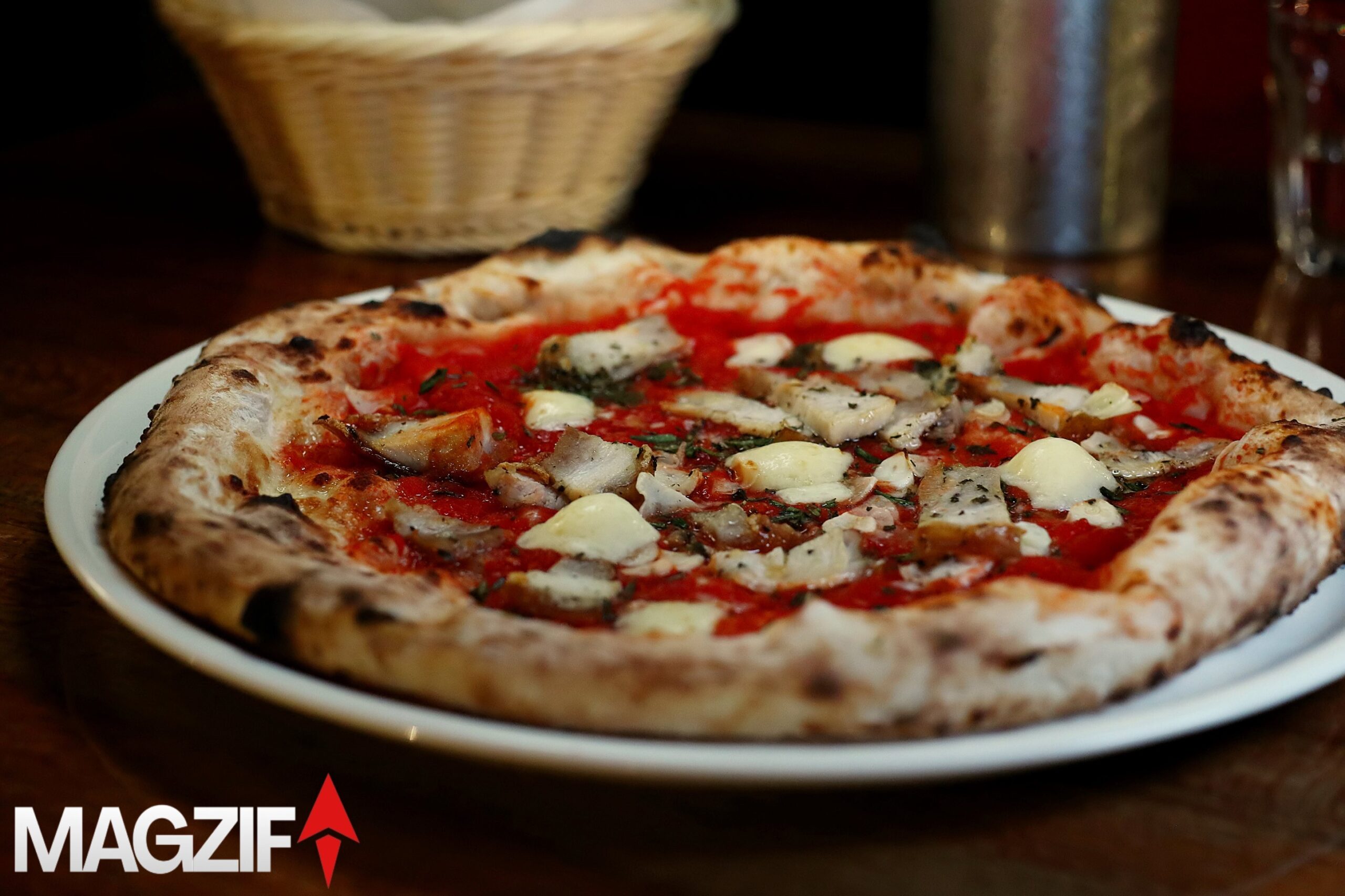
Finding the best pizza porteña near me has become a genuine quest for food lovers who have tasted the unique, hearty style that originated in Buenos Aires. Unlike the thin, crisp Neapolitan pies or the foldable New York slices many people know, pizza porteña delivers something richer, thicker, and unapologetically cheesy. It is the kind of pizza that feels like a warm embrace after a long day—generous with mozzarella, supported by a soft yet substantial crust, and often finished with distinctive Argentine touches that set it apart from every other style on the map. Whether you are new to this South American classic or already craving it, knowing how to locate the best pizza porteña near me can transform an ordinary meal into a memorable experience.
The search for the best pizza porteña near me usually starts with curiosity. People hear about it from friends who traveled to Argentina, see it mentioned on social media, or simply notice an unfamiliar name on a local menu and decide to try it. Once you taste a properly made version, the standard pepperoni or margherita can suddenly feel incomplete. The combination of a doughy base that still has structure, an abundance of melted cheese that stretches with every bite, and toppings that lean toward bold, savory flavors creates a pizza experience that stands alone. This guide will walk you through everything you need to know so that your next search for the best pizza porteña near me ends with a slice (or an entire pie) that lives up to the hype.
What Exactly Is Pizza Porteña?
Pizza porteña takes its name from the residents of Buenos Aires, who are called porteños because the city grew around its historic port. The style developed in the early twentieth century when Italian immigrants arrived in large numbers and adapted their recipes to local tastes and ingredients. What emerged was not a strict copy of Italian pizza but a distinctly Argentine creation. The crust is thicker and more bread-like than Neapolitan, yet it is not as dense as some deep-dish styles. It rises enough to provide a soft interior while still offering a pleasant chew. Cheese is applied with abandon—often a thick layer of mozzarella that melts into a golden, slightly blistered blanket. Toppings tend to be straightforward and generous rather than overly complicated.
A classic pizza porteña might feature simple combinations such as mozzarella and tomato sauce, or mozzarella with ham and green olives. Many places also serve it with a side of fainá, a chickpea-flour flatbread that is crisp on the outside and soft within. Locals often place a slice of fainá on top of their pizza, creating a double-layer bite that is both practical and delicious. The overall effect is hearty and satisfying, the kind of food that pairs well with a glass of Malbec or a cold beer and does not leave you hungry an hour later.
Understanding these characteristics is the first step toward recognizing the best pizza porteña near me. When you know what authentic examples look and taste like, you can evaluate local options more confidently instead of settling for any pizza that happens to carry an Argentine label.
The Rich History Behind Pizza Porteña
The story of pizza porteña begins with waves of Italian immigration to Argentina between the late nineteenth and early twentieth centuries. Genoa, Naples, and other regions sent thousands of people who brought their culinary traditions with them. In Buenos Aires they found a city hungry for new flavors and willing to adapt them. Early pizzerias opened in neighborhoods such as La Boca and San Telmo, serving working-class customers who wanted filling, affordable food. Over time the recipes evolved. Dough recipes were adjusted for local flour and climate. Cheese production expanded, making abundant mozzarella more accessible. Toppings reflected Argentine preferences for cured meats, olives, and later, creative combinations that still respected the foundational style.
By the mid-twentieth century, pizza had become a staple of porteño life. Families gathered around large shared pies on weekends. Late-night spots stayed open to feed theatergoers and night-shift workers. The style spread beyond the capital as Argentines moved to other cities and countries, carrying the taste of home with them. Today, communities around the world maintain the tradition, and the search for the best pizza porteña near me is no longer limited to Buenos Aires itself. From North America to Europe and beyond, dedicated bakers continue the craft, sometimes refining techniques while staying true to the original spirit.
This history matters because it explains why certain elements feel non-negotiable. A thin, cracker-like crust might be excellent in another context, but it is not pizza porteña. A light sprinkle of cheese cannot replace the generous layer that defines the style. When you seek the best pizza porteña near me, you are looking for continuity with that immigrant story and the generations of bakers who refined it.
Key Characteristics of Authentic Pizza Porteña
Several features help you identify quality. First is the dough. It should be soft enough to yield under light pressure yet sturdy enough to hold substantial toppings without becoming soggy. A slight chew and a mild yeasty aroma are good signs. Second is the cheese. Authentic versions use plenty of it—often more than many other pizza styles. The mozzarella should melt evenly, form appealing brown spots in places, and stretch when pulled. Third is the balance of sauce. Tomato sauce is present but not overwhelming; it supports the other flavors rather than dominating them. Fourth are the toppings. Classic combinations remain popular, and restraint is often better than excess. Finally, the overall temperature and freshness matter. Pizza porteña is best eaten hot from the oven, when the cheese is still molten and the crust retains its texture.
When evaluating the best pizza porteña near me, pay attention to these details. Look at photos if available, read recent reviews that mention texture and cheese quality, and notice whether the restaurant emphasizes Argentine or porteño heritage. Places that bake in deck ovens or wood-fired ovens often achieve better results than those relying solely on conveyor systems, though skilled cooks can produce excellent results with various equipment.
How to Find the Best Pizza Porteña Near Me
The practical search begins with online tools and local knowledge. Start by typing “best pizza porteña near me” into a search engine or maps application. Results will typically show restaurants within a reasonable distance, along with ratings, photos, and customer comments. Filter by rating and read the most recent reviews carefully. Look for specific mentions of crust texture, cheese quantity, authenticity, and consistency. A place that receives repeated praise for its mozzarella layer or its fainá is worth prioritizing.
Beyond digital searches, ask people in your area who appreciate Latin American or Argentine food. Community groups, food forums, and social media pages dedicated to local dining often surface hidden gems that ranking algorithms miss. If your city has an Argentine or South American cultural association, its members may know the most reliable spots. Visiting Argentine grocery stores or specialty markets can also yield recommendations; staff frequently know which nearby restaurants use quality ingredients or follow traditional methods.
Once you have a shortlist, consider visiting during off-peak hours if possible. A quieter dining room allows you to observe the kitchen, ask questions about the dough and cheese, and taste without the pressure of a crowded service. Order a classic combination first—perhaps mozzarella with ham and olives or a simple tomato and cheese—so you can judge the fundamentals before exploring more elaborate options. If fainá is available, try it. The combination of pizza and fainá is one of the signature pleasures of the style and a useful authenticity marker.
Distance and convenience matter, of course. The absolute best pizza porteña near me is the one you can reach when the craving strikes without turning the outing into an ordeal. A highly rated place thirty minutes away may be worth the trip for a special occasion, while a solid neighborhood option five minutes from home becomes the everyday favorite. Balance quality with practicality.
Tips for Ordering and Enjoying Pizza Porteña
When you finally sit down (or place a takeout order), a few practices enhance the experience. Share large pies if you are with others; the style is designed for communal eating. Request the pizza to be cut into squares or rectangles rather than triangles if that is the house preference—many traditional places do this. Eat it while it is still hot. The cheese texture changes as it cools, and the full pleasure of the stretch and melt is best enjoyed promptly. If fainá arrives, place a piece on top of a pizza slice for the classic layered bite.
Pairing is straightforward. Argentine red wines, especially Malbec, complement the richness of the cheese and any cured-meat toppings. Light beers or sparkling water also work well. For dessert, many Argentine-inspired restaurants offer dulce de leche treats that provide a sweet counterpoint.
If you are ordering for delivery or pickup, note any special instructions about reheating. Pizza porteña reheats reasonably well in a hot oven or on a skillet, but the crust benefits from a brief blast of high heat to restore some of its original texture. Avoid the microwave if possible, as it can make the dough rubbery.
Popular Variations and Modern Twists
While classic combinations remain the benchmark, many places offer creative variations that still respect the porteño foundation. Some add roasted peppers, mushrooms, or different cured meats. Others experiment with different cheeses alongside the mozzarella. Vegetarian and vegan adaptations appear more frequently as demand grows, using plant-based mozzarella alternatives and creative vegetable toppings. A few ambitious kitchens incorporate local ingredients specific to their region while keeping the dough and cheese approach true to the style.
These variations can be excellent, yet the best pizza porteña near me is usually the one that masters the fundamentals first. Once the crust, cheese, and basic balance are right, more inventive toppings become bonuses rather than necessities.
Why Pizza Porteña Continues to Win New Fans
Several qualities explain the growing interest. It is filling without being heavy in an unpleasant way. The abundance of cheese satisfies those who find lighter pizzas unsatisfying. The cultural story behind it adds depth—eating it connects you, however briefly, to the immigrant history of Buenos Aires and the generations who made this food part of daily life. In an era when many people seek authentic regional cuisines, pizza porteña offers a clear identity and a distinctive sensory profile that stands out from more ubiquitous styles.
For home cooks, the style is also relatively approachable. With good dough technique, quality mozzarella, and a hot oven, it is possible to approximate the experience at home. Still, the search for the best pizza porteña near me remains valuable because professional bakers bring consistency, specialized equipment, and years of refinement that most home kitchens cannot match every time.
FAQs
What makes pizza porteña different from Italian pizza?
Pizza porteña features a thicker, softer crust, a more generous layer of mozzarella, and toppings and serving customs that evolved in Argentina rather than Italy. It is heartier and often accompanied by fainá.
Is fainá necessary for authentic pizza porteña?
It is traditional and highly recommended, but not every restaurant serves it. The pizza itself can still be excellent without it; the combination simply elevates the experience.
How can I tell if a restaurant’s version is authentic?
Look for a soft yet structured crust, abundant melted mozzarella, straightforward classic toppings, and any mention of Argentine or porteño heritage. Recent customer comments about texture and cheese quality are especially useful.
Can I find good pizza porteña outside major cities?
Yes. As Argentine communities and food enthusiasts spread, dedicated spots appear in smaller cities and suburbs. Online searches and local recommendations help uncover them.
Is pizza porteña very high in calories?
Like most cheese-heavy pizzas, it is substantial. Portion control and sharing help. The satisfaction it provides often means you need fewer additional dishes.
What should I order the first time I try it?
Start with a classic mozzarella pizza, possibly with ham and olives. Add fainá if available. This combination lets you evaluate the core elements.
How far should I travel for the best pizza porteña near me?
It depends on your priorities. For a special meal, a longer trip can be worthwhile. For regular enjoyment, prioritize quality within a convenient radius.
Can pizza porteña be made gluten-free or vegan?
Some restaurants offer adaptations. Results vary, so check reviews or ask the kitchen about their approach to alternative doughs and cheeses.
Conclusion
The pursuit of the best pizza porteña near me is more than a simple food search. It is an invitation to discover a style shaped by immigration, local adaptation, and generations of bakers who perfected a thick, cheesy, deeply satisfying pie. By understanding its history, recognizing its defining characteristics, and using practical search strategies, you increase the odds of finding a version that delivers the full experience—soft crust, generous mozzarella, balanced toppings, and, ideally, a side of fainá.
Whether the best option sits five minutes from your door or requires a short drive, the reward is the same: a pizza that feels both comforting and distinctive. Take the time to read reviews, ask locals, and try a classic combination first. Once you taste a well-made pizza porteña, the phrase “best pizza porteña near me” stops being an abstract search term and becomes a reliable path to a meal you will want to repeat. The next time the craving hits, you will know exactly how to answer it.
