

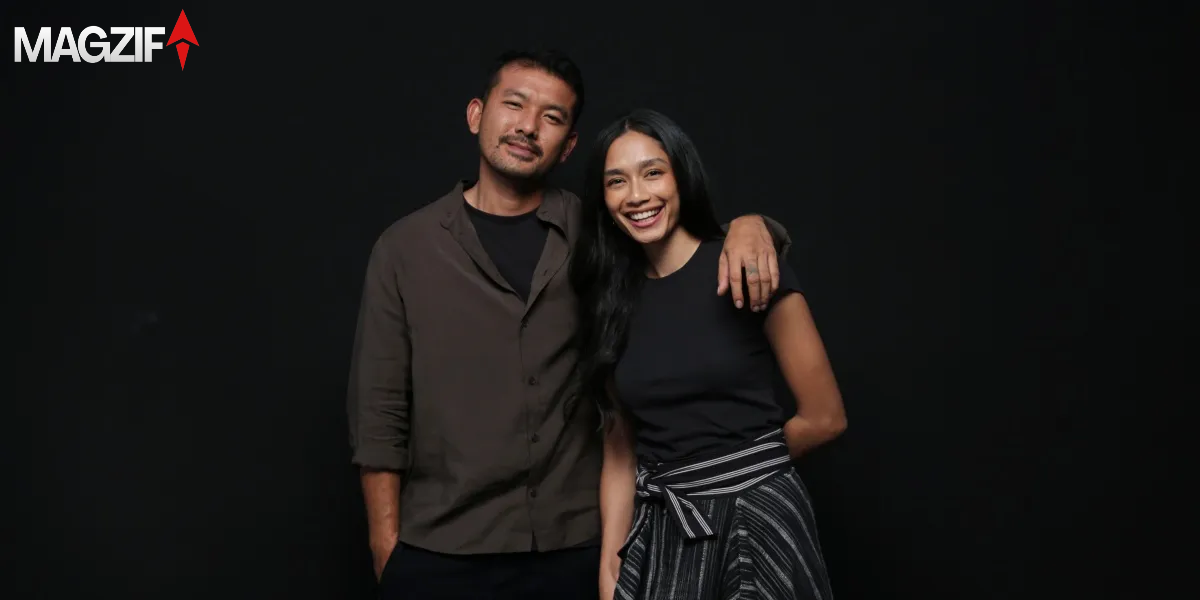
In the vibrant tapestry of Indonesian entertainment, few names resonate with the same blend of elegance, resilience, and evolving artistry as Faradina Mufti. Born Raden Roro Faradina Mufti Rachmawati on December 1, 1989, this accomplished actress and model has carved a distinctive niche for herself, transitioning seamlessly from the glamorous world of pageants to the emotionally charged realms of film and television. With a career spanning over 15 years, Faradina Mufti embodies the modern Indonesian woman — poised, professional, and profoundly dedicated to her craft. Her journey is not merely one of fame but of continuous self-discovery, balancing public adoration with private fulfillment as a wife and mother. Whether captivating audiences with her nuanced performances in horror thrillers or bringing warmth to family dramas, Faradina Mufti continues to inspire a new generation of performers while redefining versatility in the industry.
Faradina Mufti’s story begins in a culturally rich environment that nurtured her early appreciation for beauty and expression. Hailing from Indonesia, with roots often associated with Yogyakarta and Lumajang, she grew up in a society that values tradition alongside ambition. Her full name, carrying the noble “Raden Roro” title, hints at a heritage steeped in Javanese aristocracy, which may have subtly influenced her poised demeanor from a young age. Education played a foundational role in her development; Faradina pursued higher studies at Universitas Trisakti, graduating with a degree in Visual Communication Design. This academic background equipped her not only with creative skills but also with a keen eye for aesthetics — a trait that would later prove invaluable in both modeling and on-screen presence. Long before stepping into the spotlight, Faradina displayed a natural charisma and discipline that set her apart, laying the groundwork for a career that would demand both physical grace and intellectual depth.
The Spark of Modeling: From Pageant Finalist to National Recognition
Faradina Mufti’s entry into the public eye was marked by her impressive foray into the modeling world during her teenage years. At just 17, she became a finalist in the prestigious Gadis Sampul 2007 competition, representing Jakarta. This early achievement was more than a title; it was a launching pad that introduced her to the rigorous demands of the fashion and beauty industry. Competing alongside future stars like Sahila Hisyam, Citra Kirana, and Gita Virga, Faradina honed her skills in poise, public speaking, and personal branding. The experience taught her the importance of resilience under scrutiny — lessons that would serve her well throughout her professional life.
Building on this momentum, Faradina continued to pursue opportunities that showcased her multifaceted talents. In 2009, she participated in the Abang None Jakarta contest, further solidifying her presence in local pageantry circles. Her crowning moment in this phase came in 2011 when she represented DKI Jakarta Province 5 in the Puteri Indonesia beauty pageant, successfully advancing to the Top 10. This national recognition elevated her profile significantly, opening doors to endorsements, fashion campaigns, and media appearances. Faradina Mufti’s modeling career was characterized by professionalism and authenticity; she approached each runway and photoshoot with a dedication that transcended mere physical appearance, emphasizing inner confidence and cultural representation.
Those early years in modeling were formative, filled with long hours of preparation, travel, and the constant pressure to maintain perfection. Yet, Faradina navigated these challenges with remarkable maturity. She often reflects on how the discipline learned on the pageant stage — managing stress, perfecting posture, and connecting with diverse audiences — translated directly into her acting preparation. This period also exposed her to the broader entertainment ecosystem, where she observed directors, producers, and fellow artists, planting the seeds for her eventual transition to acting. Faradina Mufti’s modeling legacy remains a testament to her foundational years, where beauty met ambition and set the stage for deeper artistic exploration.
Transitioning to Acting: Building a Versatile Filmography
The leap from modeling to acting required courage and adaptability, qualities Faradina Mufti possessed in abundance. Her acting debut came gradually through various television appearances, including FTV (Films Televisi) titles like Sopir Taksi Naik Haji (2013) and several episodes of anthology series. These early roles allowed her to experiment with different characters, from romantic leads to dramatic figures, refining her craft away from the intense glare of feature films.
Faradina’s breakthrough in cinema arrived with roles that showcased her range. In 2018’s Love for Sale, she portrayed Sylvia, contributing to the film’s exploration of modern relationships. Subsequent performances in Perempuan Tanah Jahanam (2019) as Nyai Shinta and Anak Garuda (2020) as Bu Risna demonstrated her ability to handle complex, supporting characters with depth and subtlety. However, it was her role as Rahayu Paramitha in Guru-Guru Gokil (also known as Crazy Awesome Teachers, 2020) that truly propelled her into the spotlight. The film, a comedic yet heartfelt take on education, earned her a nomination for Best Lead Actress at the 2020 Indonesian Film Festival (Festival Film Indonesia). This recognition validated her transition and highlighted her comedic timing alongside dramatic prowess.
Faradina Mufti’s filmography expanded impressively in the following years. She appeared in Quarantine Tales (2020), Perempuan Bergaun Merah (2022) as Rosa, and the superhero action film Sri Asih (2022) as Renjana. Her versatility shone brightly in horror genres as well. In 2024’s Siksa Kubur (Grave Torture), she played Sita, delivering a performance that garnered critical acclaim and additional nominations, including at the Festival Film Bandung and Festival Film Wartawan Indonesia. Collaborations with acclaimed directors like Joko Anwar further enriched her resume, notably in Joko Anwar’s Nightmares and Daydreams (2024).
Recent and upcoming projects continue to affirm her status as a sought-after talent. Roles in Tepatilah Janji, Janur Ireng as Pastika Gayatri, sMOTHERed (2025) as Nadine, Children of Heaven (2026) as Fatimah, and others like Legenda Kelam Malin Kundang and Roman Dendam illustrate her ongoing commitment to diverse storytelling. In Children of Heaven, for instance, her portrayal of Fatimah brings tenderness and maternal warmth, resonating with audiences on themes of family and aspiration. Faradina’s ability to embody both vulnerability and strength makes her performances memorable and relatable.
What sets Faradina Mufti apart is her thoughtful approach to roles. She invests time in understanding character backstories, cultural contexts, and emotional layers, often drawing from personal experiences to infuse authenticity. This dedication has not only earned her respect among peers but also built a loyal fanbase that appreciates her growth from glamorous model to compelling actress. Her work in both mainstream cinema and web series, such as Turn On and Herbar, demonstrates a willingness to embrace evolving media landscapes.
Personal Life: Love, Family, and Balance
Beyond the cameras, Faradina Mufti’s personal life reflects the same grace and groundedness that define her public persona. In December 2020, she married director Dimas Djayadiningrat, a union that blended their professional worlds harmoniously. The couple welcomed a child, adding a new dimension of joy and responsibility to Faradina’s life. Motherhood has influenced her perspectives, bringing deeper empathy to roles involving family dynamics, as seen in her recent maternal portrayals.
Balancing a demanding career with family life is no small feat, yet Faradina Mufti manages it with poise. She has spoken in interviews about the importance of support systems, open communication, and prioritizing mental well-being. Her marriage to a fellow creative professional likely fosters mutual understanding of the industry’s pressures, allowing her to pursue ambitious projects while nurturing her home life. Fans often admire how she maintains privacy without disconnecting entirely, sharing glimpses of her journey that humanize her star status.
Challenges have been part of her narrative too. Like many in the spotlight, Faradina has faced the pressures of public expectation, typecasting risks, and the emotional toll of intense roles. However, she transforms these into opportunities for growth, emphasizing resilience and continuous learning. Her educational background in design also informs her appreciation for visual storytelling, potentially influencing behind-the-scenes contributions or future directorial aspirations.
The Broader Impact and Legacy of Faradina Mufti
Faradina Mufti’s influence extends beyond individual performances. As a woman who succeeded in modeling before excelling in acting, she represents empowerment and adaptability in Indonesia’s entertainment industry. She inspires young talents, particularly women, to pursue multifaceted careers without compromising their values. Her involvement in projects tackling social themes — education, family struggles, supernatural folklore — contributes to richer cultural dialogues through cinema.
In an era of rapid digital consumption, Faradina Mufti remains relevant by embracing both traditional film and new formats like web series. Her Instagram presence (@faradinamufti) connects her with fans through authentic updates, behind-the-scenes insights, and personal reflections, fostering a community around her work. As Indonesian cinema gains international attention, talents like Faradina play a vital role in showcasing the nation’s artistic depth globally.
Her story is one of evolution: from pageant stages bathed in lights to intimate character studies on screen. Faradina Mufti continues to challenge herself, selecting roles that push boundaries and resonate emotionally. With upcoming releases on the horizon, her trajectory points toward even greater accomplishments, solidifying her as a enduring figure in Southeast Asian entertainment.
FAQs
Who is Faradina Mufti?
Faradina Mufti, full name Raden Roro Faradina Mufti Rachmawati, is a prominent Indonesian actress and former model born on December 1, 1989. She gained initial fame through beauty pageants and has since built a successful acting career in films, television, and web series.
What are some of Faradina Mufti’s most notable films?
Key films include Guru-Guru Gokil (2020), Siksa Kubur (2024), Sri Asih (2022), Perempuan Bergaun Merah (2022), and upcoming titles like Children of Heaven (2026) and sMOTHERed (2025). Her roles often highlight emotional depth and versatility.
Is Faradina Mufti married?
Yes, she married director Dimas Djayadiningrat in December 2020, and the couple has one child.
What awards has Faradina Mufti been nominated for?
She received nominations for Best Lead Actress at the Festival Film Indonesia for Guru-Guru Gokil, and additional nods at the Festival Film Bandung and other events for her work in Siksa Kubur.
Where did Faradina Mufti study?
She graduated from Universitas Trisakti with a degree in Visual Communication Design.
How did Faradina Mufti start her career?
She began as a finalist in Gadis Sampul 2007 and later competed in Puteri Indonesia 2011, reaching the Top 10, before transitioning into acting.
Conclusion
Faradina Mufti journey from a promising young model to a respected and versatile actress is a compelling narrative of passion, perseverance, and personal evolution. With each role, she brings authenticity and emotional intelligence that elevates Indonesian storytelling. As she balances family, fame, and future projects, Faradina Mufti stands as an inspiring emblem of grace under pressure and artistic dedication. Her ongoing contributions promise to enrich the industry for years to come, leaving an indelible mark on audiences who cherish depth, talent, and humanity on screen. Whether in heartwarming dramas or chilling horrors, Faradina Mufti’s presence ensures memorable cinematic experiences that linger long after the credits roll. Her story reminds us that true success lies not just in accolades but in the meaningful connections forged through art.
